- All
- Product Name
- Product Keyword
- Product Model
- Product Summary
- Product Description
- Multi Field Search


Views: 5 Author: Site Editor Publish Time: 2026-03-20 Origin: Site


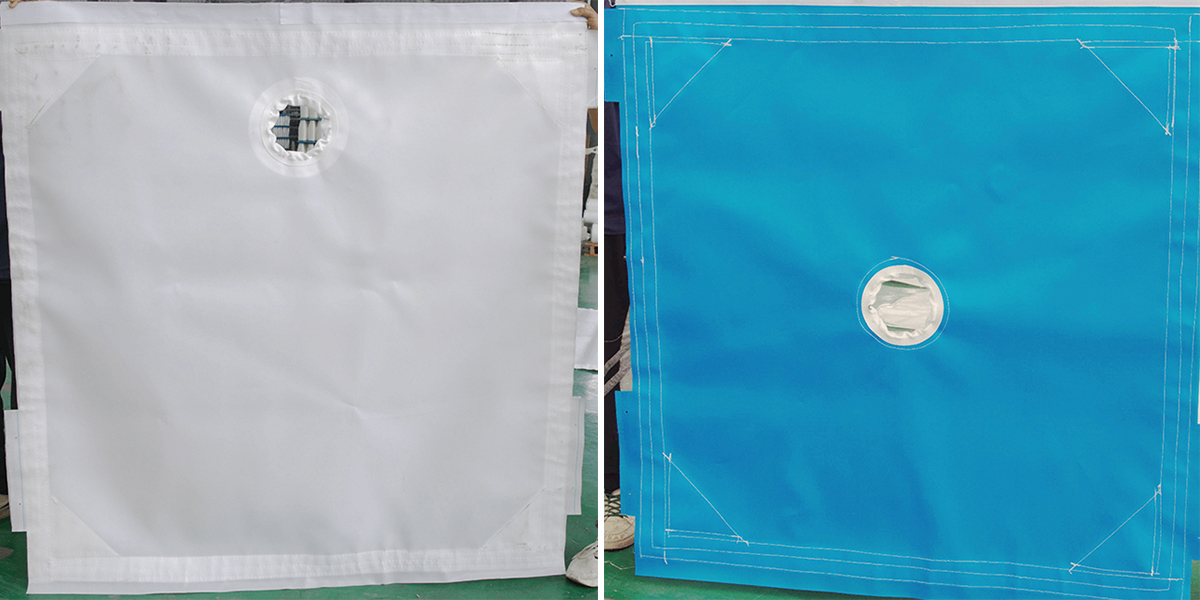
In the sludge treatment industry, the sludge filter press serves as a core piece of machine for achieving efficient solid-liquid separation. The selection of filtration media directly impacts the filter press's dewatering performance, operating costs, and service life. When faced with various types of sludge, scientifically selecting the appropriate filtration media is the key to enhancing both equipment performance and economic efficiency. This article provides professional guidance focused on the key considerations for selecting filtration media for sludge filter presses.
The selection of filter cloth material should take into account the comprehensive chemical and physical characteristics of the sludge, including PH levels, temperature, particle size distribution, and viscosity. Common filter cloth materials include polypropylene, polyester, nylon, and non-woven fabrics; each material offers distinct advantages in terms of corrosion resistance, temperature tolerance, and mechanical strength. Selecting the appropriate filter cloth material not only helps ensure the stability of the filtration process but also significantly extends the service life of the filter cloth, thereby reducing the frequency of replacements. For example, industrial sludge often exhibits strong acidity or alkalinity; consequently, polypropylene filter cloth—known for its exceptional resistance to acids and alkalis—is frequently the preferred universal choice. Conversely, for high-temperature environments, materials such as polyester or nylon should be considered.
Filtration precision is primarily determined by the filter cloth's air permeability and pore size distribution. For sludge filter presses, the initial filtration precision need not be excessively high; rather, it simply needs to meet the specific requirements of the process. As filtration proceeds and a filter cake layer gradually forms, the inherent retention capacity of the filter cloth itself tends to diminish. Therefore, the rapid formation of a well-structured, uniformly thick filter cake layer is central to maximizing the overall efficiency of the filter press. Designing for an appropriate level of filtration precision helps strike an optimal balance between dewatering efficiency and operating costs.
The ease with which the filter cake can be released directly influences the duration of a single filtration cycle. Filter cloths with smooth, flat surfaces facilitate the rapid detachment of the filter cake, thereby shortening operational cycle times and boosting the sludge filter press's processing capacity. Conversely, if the filter cake adheres excessively to the cloth, it not only prolongs the cycle time but also increases the difficulty of manual cleaning. When selecting filtration media, prioritizing materials that demonstrate excellent cake release properties can effectively enhance the equipment's continuous operational efficiency and reduce maintenance costs.
The regeneration performance of a filter cloth refers to its ability to recover its filtration capacity—through washing or simple treatment—after a period of use. High-quality filtration media allow for in-situ cleaning directly on the filter press, thereby reducing the frequency of removal and replacement, and extending the overall service life. After undergoing washing or drying treatments, the filtration efficiency of premium filter cloths can typically be restored to over 80%; this helps reduce consumable costs while enhancing both the operational reliability and economic efficiency of the equipment.
Selecting the appropriate filtration medium for a sludge filter press requires a comprehensive assessment of various factors, including sludge characteristics, filtration precision, cake release properties, and regeneration capabilities. A scientifically sound selection process not only boosts solid-liquid separation efficiency but also effectively lowers operating costs, thereby assisting enterprises in achieving their goals for green and efficient sludge treatment. For further information regarding the selection of filtration media for filter presses, please feel free to contact Quanhong Filtration for professional assistance.