- All
- Product Name
- Product Keyword
- Product Model
- Product Summary
- Product Description
- Multi Field Search


Views: 12 Author: Site Editor Publish Time: 2025-12-05 Origin: Site


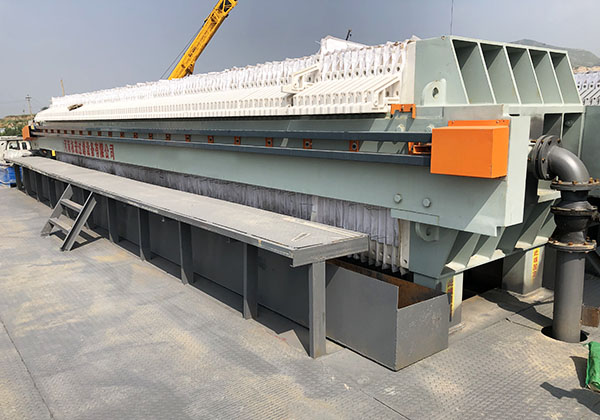
Filter presses are key machine used in solid-liquid separation processes, widely applied in wastewater treatment, chemical, mining, foodstuff, ceramics, and other industries. Proper use and maintenance not only ensure efficient operation but also extend their service life. This article provides a detailed explanation of the usage process and precautions to facilitate installation, commissioning, and daily maintenance for businesses.
Correct installation location ensures stable machine operation and improves subsequent operational efficiency. Before putting the filter press into use, it must be positioned and fixed according to the professional installation drawings provided by the manufacturer or engineer. During installation, ensure the ground is level, meets load-bearing requirements, and provides sufficient space for operation and maintenance.
When connecting pipes, ensure all joints are tight and leak-free. After pipe connections are complete, proceed with wiring and power connection. It is recommended that this be done by a professional electrician to ensure compliance with local electrical safety standards. Carefully check that the power supply voltage matches the machine requirements to avoid affecting machine operation due to unstable voltage.
Generally, the filter press has been commissioned before leaving the factory, including adjustments to the hydraulic system, control system, and clamping device. Therefore, users only need to connect the power supply according to the instructions and check the fasteners to begin trial operation. However, a simple test is still recommended for the first run. During initial use, it is recommended to run the machine unloaded for several minutes to confirm that the pressure, power system, and control panel are functioning normally before starting material feeding.
To extend the machine's lifespan and improve filtration efficiency, daily maintenance is crucial.
Cleaning the Filter Cloth: The filter cloth is the core component of the filter press. Regular cleaning prevents clogging and maintains its permeability and filtration efficiency.
Replacing the Hydraulic Oil: he hydraulic system is the power source of the filter press. It is recommended to change the hydraulic oil every 2000 hours of operation or annually to ensure good system lubrication.
Checking for Aging Wires: Regularly check the wires and cables. Replace any damaged or aged wires promptly to prevent safety hazards.
Inspecting the Pipelines: Regularly check the pipelines for blockages or leaks and repair them promptly.
The feed pressure must be strictly controlled within the machine's rated range. Excessive pressure may cause filter plates to crack or damage the machine. Users should regularly check the pressure gauge to ensure it operates within a safe range.
Indoor environments effectively avoid the effects of direct sunlight and rain erosion. If outdoor installation is necessary, special attention should be paid to waterproofing and sun protection measures for the hydraulic station, electrical control cabinet, and motor to extend the machine's service life and ensure electrical control safety.
If the material temperature is high, ordinary filter cloths and filter plates may deform or be damaged due to thermal expansion and contraction. Therefore, when purchasing machine, select high-temperature resistant filter plates, high-temperature resistant filter cloths, or specialized models according to the working conditions.
No Personnel Allowed in Front of the Hydraulic Cylinder: There is a high-pressure risk in the hydraulic cylinder area when the filter press is working; personnel are strictly prohibited from approaching.
No Forced Intervention: During the operation of the filter press, do not forcibly stop or adjust components by hand or tools. All operations should be performed only after the machine has been completely shut down and the power supply disconnected to ensure safety.
Through the detailed explanation above, we hope to help you better use and maintain your filter press. For further questions, please consult Quanhong Filtration engineers for professional technical support.